
OVERVIEW OF MARKETING COPYWRITING
Copywriting is a strategic introduction to attract attention from readers. The purpose of writing copy is to accomplish a goal by providing relevant information to the right audience. Sell your idea and initiate a “call to action” (Lurie, 2014) through a purchase or an action by your targeted audience. An important aspect of marketing copywriting is providing creative visuals while maintaining clear message readers will understand. David Ogilvy said, “If it doesn’t sell, it’s not creative.” Keep that in mind the next time you’re writing copy!
Marketing copy write falls into three different classifications:
- Collateral
- Medium
- Style
WRITING COPY
Before you begin to write marketing copy, it is important to prepare everything you need to be successful. Gather a timer, writing tools, and back-up (ex. USB key) to aid you in starting your process. Take 30 minutes to create a plan by thinking of your course of action. Remember, a plan isn’t permanent. Change is inevitable! Think about your audience, collateral, and style. Write them down for 5 minutes. These pre-writing tips with help guide you towards success.
When writing your first draft, think about the style and collateral you want to use while keeping your end goal in mind. Remove all distractions and set a timer for 45-90 minutes and write. Writing copy is personal, so acknowledge your readers and their needs. Turn those needs into wants! After finishing your first draft, polish it. Polishing requires editing and proofreading with spell check and grammar check. It is crucial to ensure that your ideas are clear and coherent. This allows for a well, thought-out draft that will guarantee understanding by your targeted audience.
A copy will support the creation of a headline. Headlines are not permanent and are subject to change, so have fun with it! Ensure headlines are direct and easy to understand. This will encourage viewers to read your copy write. Your next step is grasping readers’ attention with an exciting rundown of the message you want to communicate. Images are a great way to add to your copy because they engage your audience while adding breaks between paragraphs. Make sure they preside over your written message and guide the page. At the end of your copy, it’s important to provide a “clear next step” (Lurie, 2014), allowing your audience to take action in the message you are communicating.

Do you notice how I’ve inserted an image of the word “structure”? I did this to engage my audience and add a break in my paragraphs. This also links my next topic: structure!
Structure in marketing copy write is essential because this helps readers understand and remember information. It’s important to have a picture or subhead after 3-4 paragraphs, and each paragraph should be 5-6 lines. This ensures that readers will have an easier time reading your copy! Another tip to keep in mind: use bullets and numbers for lists. This will break up paragraphs and keep your audience engaged. The takeaway from this is that the structure and typography you use in your message are important! This allows readers to understand and retain the information you are communicating.
REWRITING EXISTING COPY
When rewriting existing copy, you are only improving it by editing and proofreading: This means:
- Incorporating active voice
- Don’t use 2-3 words when 1 word will do
- Editing for legibility
- Ensuring that there is a “clear call to action” (Lurie, 2014)

Rewriting copy for social media is lenient because the environment is relaxed. There is room for creativity and interaction with your audience. For example, Instagram is a platform to post pictures and stories. Followers can stay engaged by liking, commenting, and replying to posts! It is less complex allowing for brief, honest, and sincere messages.
CONCLUSION
Managing a copywriting team is much more than “managing.” Not only are you a leader and mentor, but you are their backbone. You must have respect for the writing process and your writers’ creativity, while meeting deadlines. As a manager, accept the fact that mistakes will happen, not only from your team but from you. It is important to ensure that you set an editorial calendar for your team. This allows for overall understanding and communication when it comes to titles and who does what.
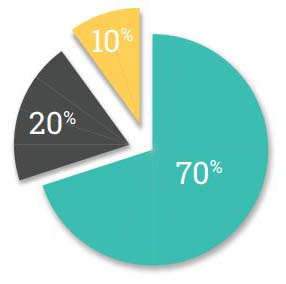
- 70% should be the norm
- 20% should be out of your comfort zone by taking risks
- 10% should be experimental
This rule allows for the majority of work to stay within guidelines while trying something new, potentially benefitting your overall marketing copywriting. However, don’t focus too much on percentages. Focus on the quality of your work!
MY CONCLUSION

Posting on Instagram is a way to implement the idea of using images and interacting with your targeted audience. Your collateral would be a sponsored ad, your medium is online, and your style could be humour. Through instagram, you must communicate a clear message to your targeted audience and focus on their needs. When you understand their needs, you can turn them into wants! Images must also take the lead, and this is implemented through a sponsored post. The majority of people will look at the picture you posted before reading your caption. Gain their attention with an engaging picture, and then connect with them through your message!
REFERENCES
Lurie, I. (2014, May 30). Learning to Write Marketing Copy. Retrieved from LinkedIn Learning: https://www.linkedin.com/learning/learning-to-write-marketing-copy/welcome?u=2109516
Pictures from Google
Pictures from Haute Stock
 Malindi Pilgrim